Written by:
NALCAB, Public Policy
Sep 10, 2026


By Andres Matos, Public Policy Analyst
Over the past eighteen months, the Small Business Administration (SBA) has steadily curtailed access to its programs for immigrant entrepreneurs. The process began in the spring 2025 when the agency barred immigrants with valid work authorizations, including DACA recipients, refugees, and most visa holders, from accessing its lending programs. At the time, the agency carved out an exception for lawful permanent residents (often referred to as “LPRs” or “green card holders”), ensuring these business owners remained eligible for SBA loans. In 2026, however, the Administration eliminated this carve-out. Effective March 1, any business with even partial permanent resident ownership became ineligible for SBA’s flagship 7(a) and 504 loan programs. Later that month, the agency extended the ban to its Microloan and Surety Bond programs. SBA Administrator Kelly Loffler justified the expansion by arguing that “the limited resource of SBA financing must prioritize American citizens who are building businesses and creating jobs here at home.”1 As a result, the Administration effectively barred all noncitizens from accessing their lending and technical assistance programs (TA), cutting off support for a group that accounts for a quarter of all new employer businesses in America and has long been a key driver of small business growth.2
SBA-backed financing and technical assistance provide entrepreneurs with access to the capital and operational know-how needed to scale their businesses. For immigrant-owned grocery stores, restaurants, barbershops, childcare centers, and other Main Street staples, these programs provide one of the few affordable pathways to growth in the face of persistent barriers to conventional financing. Furthermore, by pairing capital with technical assistance, they help entrepreneurs grow beyond the solo or micro business stage and become thriving employer businesses that underpin local economies.
Beyond limiting small business owners’ access to capital, the Administration’s policy of immigrant ineligibility is also creating significant challenges for SBA lenders and technical assistance providers. Organizations participating in SBA programs must now verify that the businesses they serve are 100 percent owned by U.S. citizens or nationals, creating new compliance obligations and legal liability if ownership issues are later found. In communities with large immigrant communities where mixed-status ownership is relatively common, these requirements can make it difficult for mission-based lenders to serve many of the small businesses that need their services most. A family-owned construction company, for example, may be jointly owned by a U.S. citizen and a family member who has held a green card for decades. Under the SBA’s new rules, that business would no longer be eligible to access SBA-backed financing or technical assistance despite their longstanding presence in the community.
Permanent residents who once relied on SBA-backed loans and technical assistance now face a tougher path to sustaining and growing their businesses. Without access to affordable credit from the SBA, many will not have the resources they need to scale or, in some cases, maintain operations. This may lead to an increased reliance predatory financing options like Merchant Cash Advances (MCAs) that draw down already thin margins.
SBA’s decisions to ban immigrants from accessing its financing and technical assistance services will impact all aspects of the small business ecosystem: lenders who are now obligated to verify their clients’ immigration status, business owners who may turn toward predatory financing options in an increasingly capital-constrained environment, and communities who rely on the jobs, goods, and services these businesses provide.
How is NALCAB responding?
NALCAB is advocating for two legislative efforts to reverse these restrictions:
First, NALCAB is advocating for the Investing in the American Dream Act, a bill introduced by Sen. Ed Markey and Rep. Nydia Velázquez, the ranking members of the Senate and House Small Business Committees respectively. The bill would restore SBA eligibility for immigrants with valid work authorization, reversing the agency’s recent changes and reopening these programs to green card holders and other lawfully present immigrants. Last week, we met with House Republicans representing districts with large populations of immigrant business owners to discuss how the SBA’s current eligibility restrictions are affecting entrepreneurs and small businesses in their communities and the ways the Investing in the American Dream Act would help address those challenges.
NALCAB is also supporting a Senate Congressional Review Act (CRA) resolution that would restore access to the SBA’s 7(a) and 504 loan programs for lawful permanent residents. The CRA process gives Congress the authority to overturn federal agency rules within a limited time frame of the rule being issued, providing a check against the executive branch. However, because the Government Accountability Office (GAO) determined that the SBA’s eligibility changes constituted a major rule rather than simple guidance, Congress was able to restart the review period and challenge the agency’s decision. Importantly, the resolution would still require presidential approval to become law, making it unlikely to pass as it would amount to the President rebuking the decision of his own agency head. Nevertheless, NALCAB is currently working to encourage Senate Democrats to sign a discharge petition that would bring the resolution to the Senate floor for a vote and require senators to go on the record regarding the SBA’s eligibility changes.
What Can You Do?

New investment includes a $2M lending facility and over $6M in philanthropic and pro bono support...
Read more
New awards recognize members expanding access to capital and creating lasting economic opportunit...
Read more
By Andres Matos, Public Policy Analyst Latino-owned businesses (LOBs) are one of the fa...
Read more
By Andres Matos, Public Policy Analyst Over the past eighteen months, the Small Business Administ...
Read more
“Juntos en la Lucha: Activating Our Power” convenes practitioners, funders, and polic...
Read more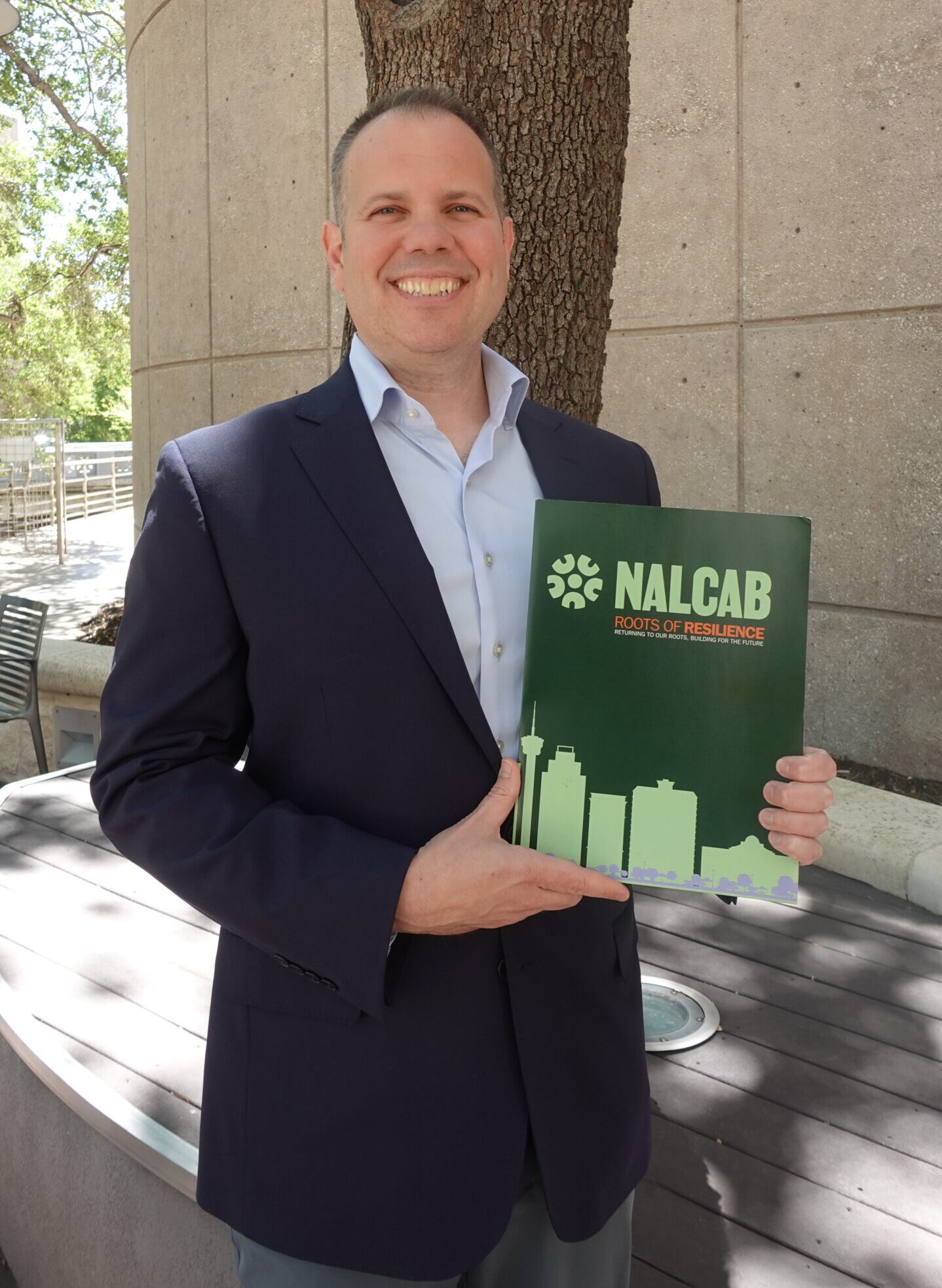
For Chris Sherman, supporting NALCAB’s capital campaign is about more than a new home—it’s about ...
Read more
By NALCAB, Public Policy Roughly 814 banks would no longer be evaluated on community development ...
Read more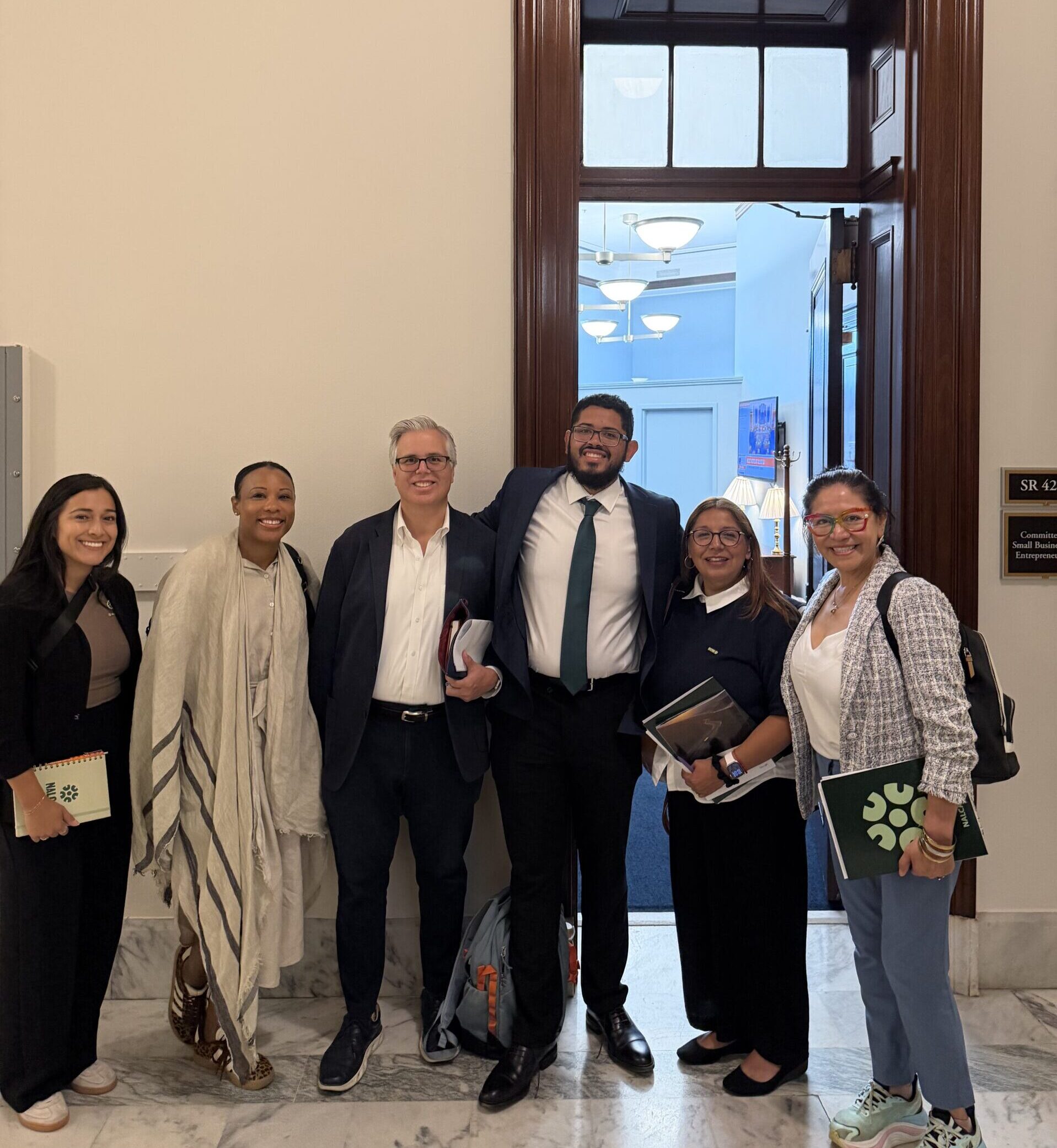
Last week, NALCAB welcomed a curated group of seven member organizations from across the country,...
Read more
Washington, D.C. – July 4, 2026 – The National Association for Latino Community Asset Builders (N...
Read more
WASHINGTON, DC, June 8, 2026 — NALCAB (National Association for Latino Community Asset Buil...
Read more
WASHINGTON, DC, June 8, 2026 — NALCAB (National Association for Latino Community Asset Buil...
Read more
By Andres Matos, Public Policy Analyst The Supreme Court’s 6-3 decision in Louisiana v. Callais (...
Read more
Opportunity Zones, the Community Development Dilemma, and Census Tract Selection By Jeremy Carter...
Read more
By Marissa Ramirez and Andres Matos President Trump released his budget request for Fi...
Read more
San Antonio — NALCAB (National Association for Latino Community Asset Builders) proudly announces...
Read more
Maker to Market Accelerator (M2M) WASHINGTON, DC – NALCAB (National Association for L...
Read more
NALCAB is a one-of-a-kind CDFI intermediary and network of 200+ organizations, rep...
Read more
SAN ANTONIO — The National Association for Latino Community Asset Builders (NALCAB) announced the...
Read more
NALCAB Announces Grants to 10 Nonprofits with Support from Wells Fargo Foundation $30k Grant ...
Read more
Working together to expand affordable capital for housing and small businesses across Arizona. PH...
Read more
Latinos bring vitality and innovation to local economies nationwide. This Hispanic Heritage Month...
Read more
Latinos bring vitality and innovation to local economies nationwide. This Hispanic Heritage Month...
Read more
Latinos are bringing vitality to local economies across the country. To celebrate this impact for...
Read more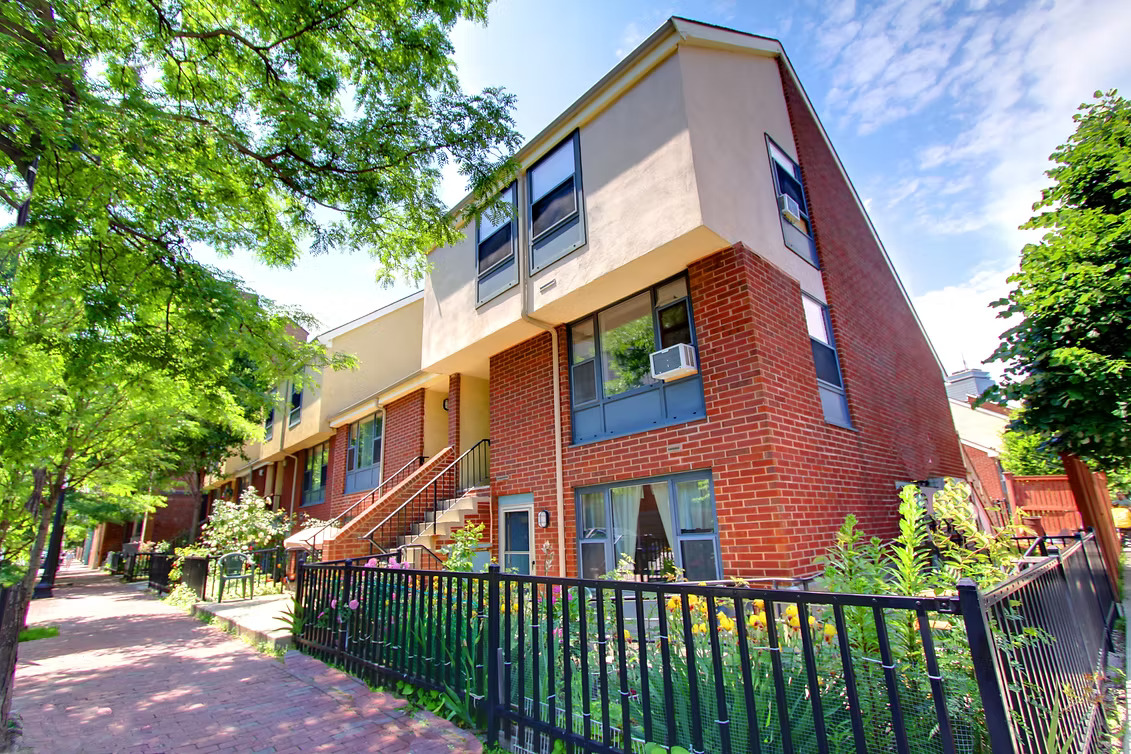
Casitas of Villa Victoria, IBA’s affordable housing community, blend Boston’s architecture with P...
Read more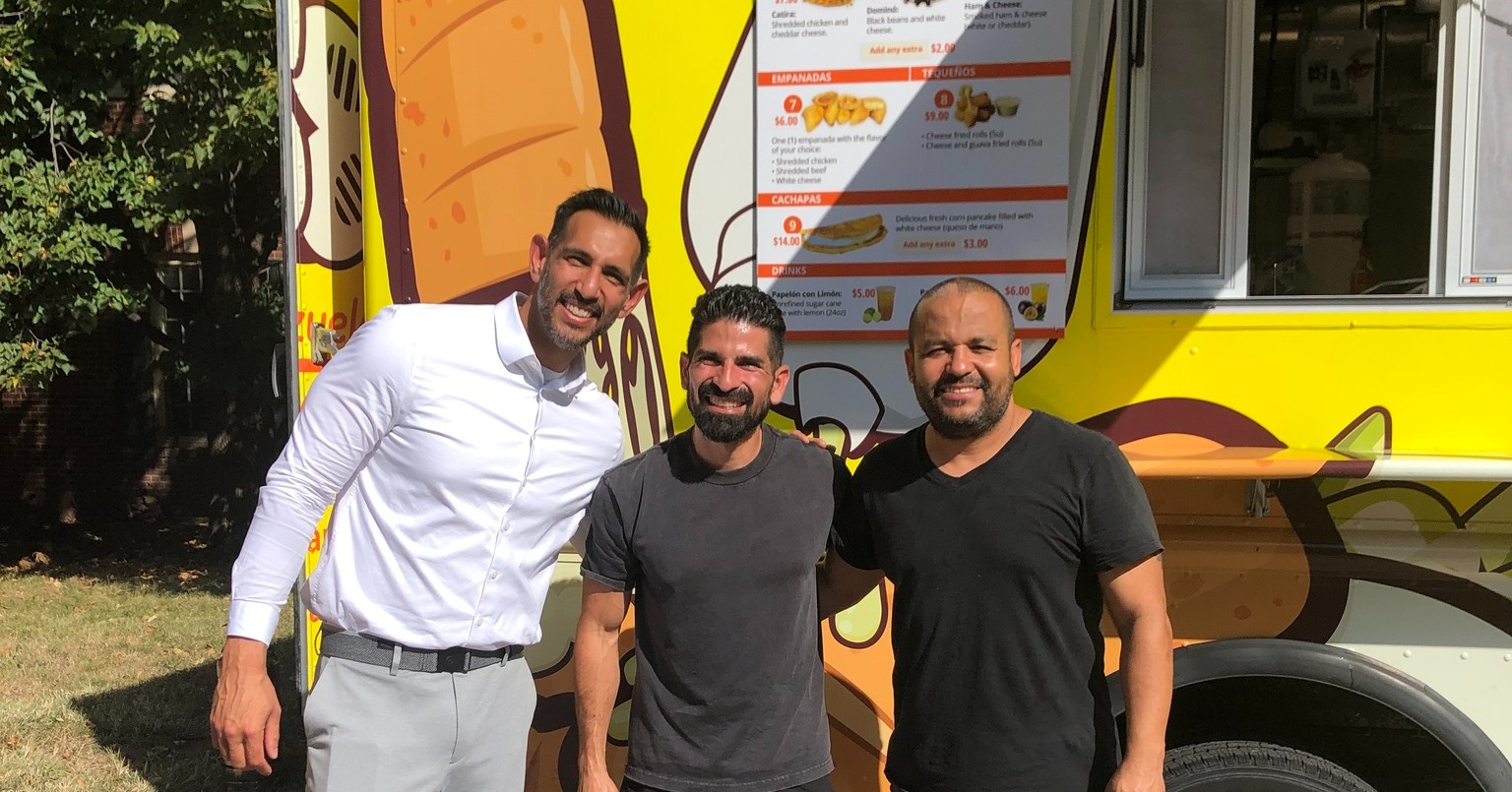
Latinos are bringing vitality to local economies across the country. To celebrate this impact for...
Read more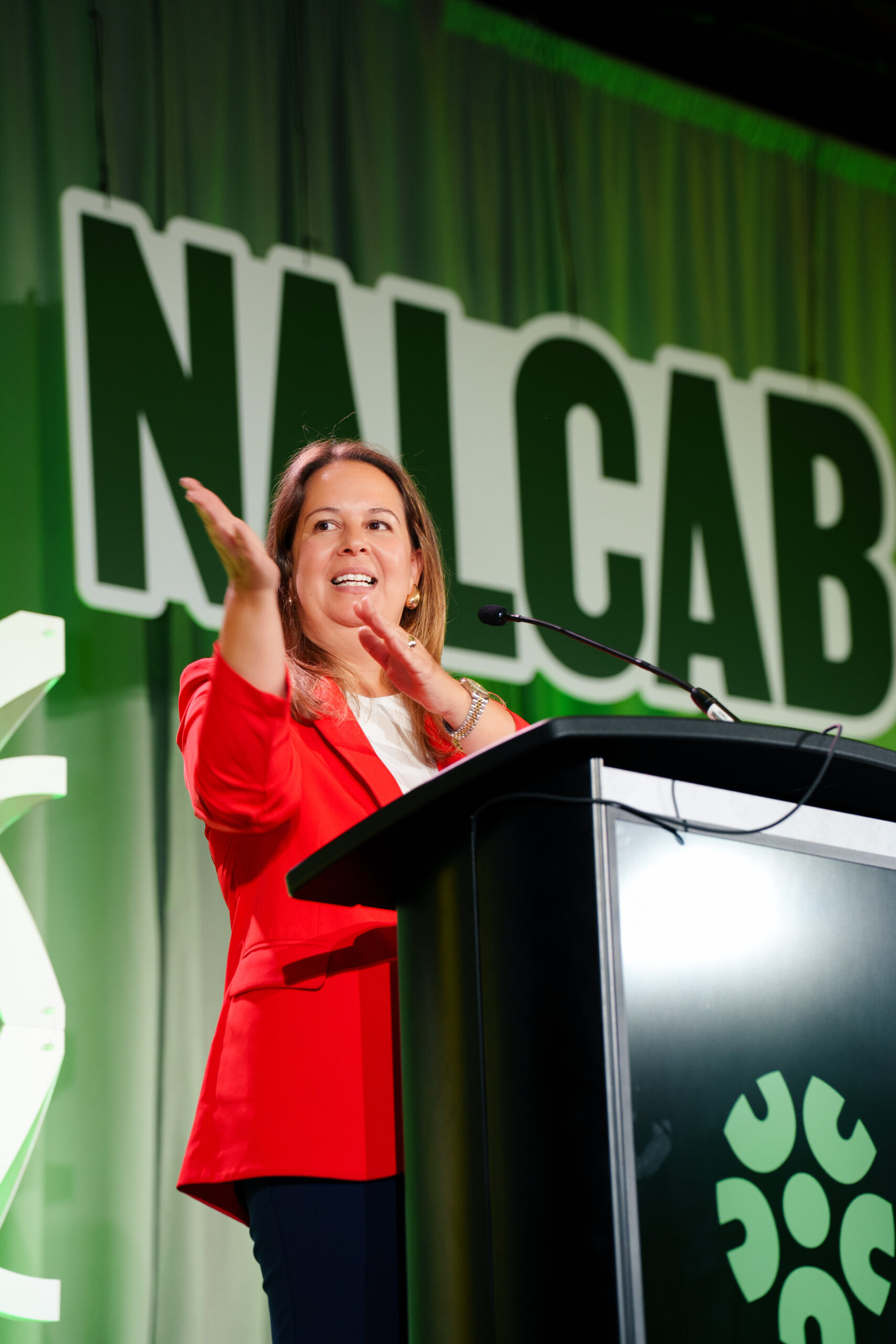
Over 400 attendees from more than 35 states arrived in Nashville last week for NALCAB’s National ...
Read more
As I reflect on my journey in the LEAD Fellowship, I’m filled with a deep sense of gratitude, gro...
Read more
March 11, 2025: Construction is underway at NALCAB’s new San Antonio office in Downtown San Anton...
Read more
On May 22, the House passed its version of the reconciliation package, H.R. 1, titled the “One Bi...
Read more
NALCAB manages its financial resources in a responsible, accountable, and transparent manner that...
Read more
Through Inclusive Action, Angel was able to secure two Raices loans to help set his plans on track.
Read more
Hispanic Interest Coalition of Alabama (¡HICA!), is dedicated to supporting Latino communities an...
Read more
Through a $100,000 subgrant, technical assistance, and training provided by NALCAB and the Wells ...
Read more
With these federal dollars, Merced Housing Texas will be able to continue building resilient neig...
Read more
NALCAB provided a $650,000 loan to Centro para la Reconstrucción del Hábitat, Inc. (CRH) with sup...
Read more
Climbing Together | Citi and NALCAB’s CDFI Certification Program Leads to 12 Technical Assistance...
Read more
Learn about a comprehensive slate of webinars, public policy opportunities, and trainings, our 20...
Read more


In accordance with federal law and U.S. Department of the Treasury policy, this institution is prohibited from discriminating based on race, color, national origin, sex, age, or disability. Submit a complaint of discrimination, by mail to U.S. Department of the Treasury, Office of Civil Rights and Equal Employment Opportunity, 1500 Pennsylvania Ave. N.W., Washington, D.C. 20220, (202) 622-1160 (phone), (202) 622-0367 (fax), or email [email protected]